


The story of Jonah and the whale is far more than a fish tale — it’s a mirror. In Jonah we see ourselves: running from God, angry at mercy, and surprised by grace at every turn. In four short chapters, God chases a runaway prophet, humbles him in the deep, gives him a second chance, and then exposes the bitterness still hiding in his heart.
Whether you know this story from childhood or you’re meeting it fresh, its lessons cut deep: you can’t outrun God, prayer works even from rock bottom, no one is beyond mercy, and God’s compassion is always bigger than our comfort. Below is the full story, key verses, six lessons, and answers to common questions.
Table of Contents
- What Is the Story of Jonah and the Whale?
- Key Bible Verses From the Book of Jonah
- The Story, Chapter by Chapter
- 6 Lessons From Jonah and the Whale
- Frequently Asked Questions
- Conclusion
What Is the Story of Jonah and the Whale?
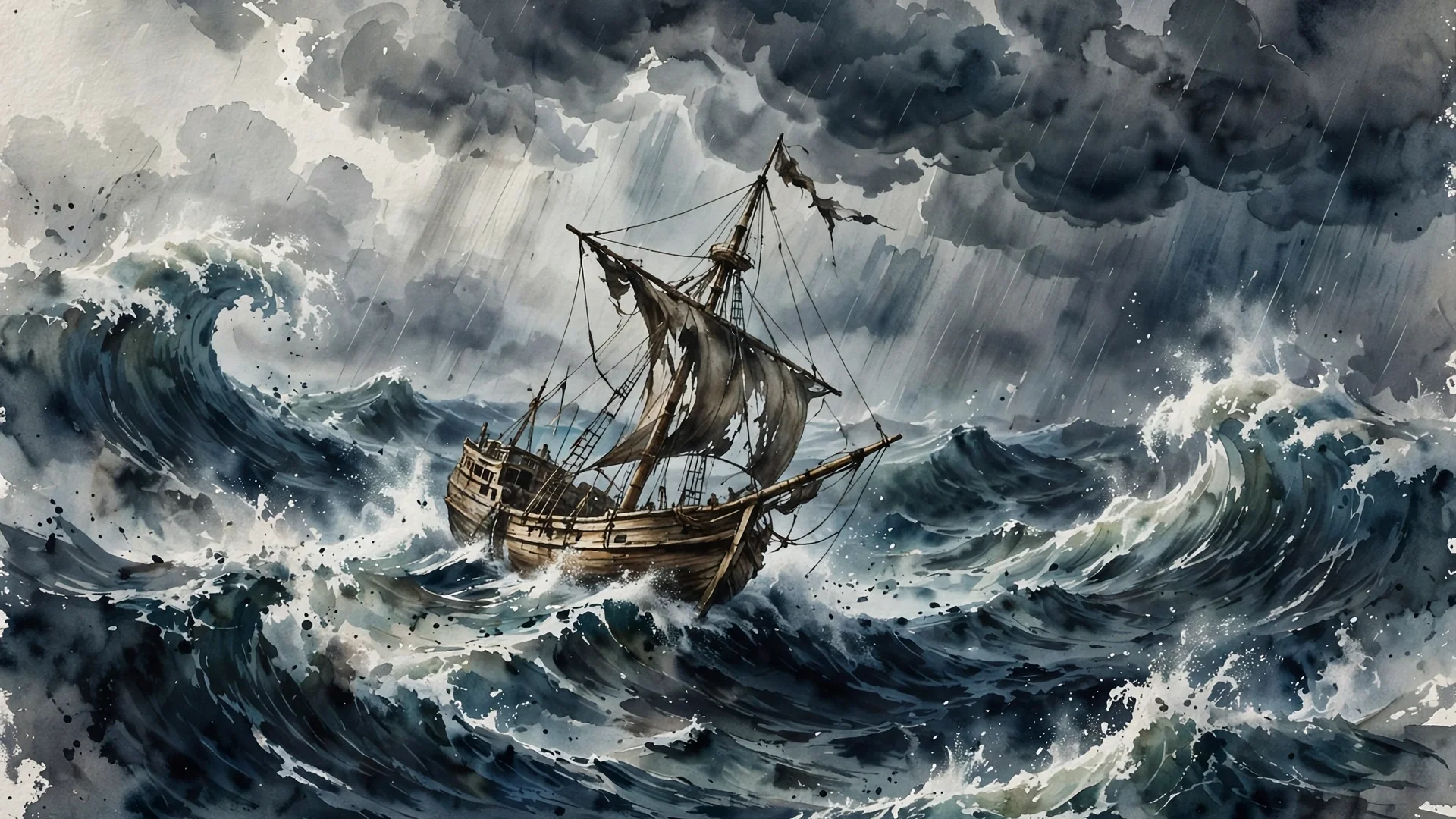
What is the story of Jonah and the whale? Found in the book of Jonah, it tells how God called the prophet Jonah to preach repentance to Nineveh, how Jonah fled in the opposite direction by ship, how God sent a storm and a great fish that swallowed Jonah for three days, and how Jonah finally obeyed — only to grow angry when God showed mercy to the repentant city. For background on the prophet and his mission, see this overview of Jonah and the great fish.
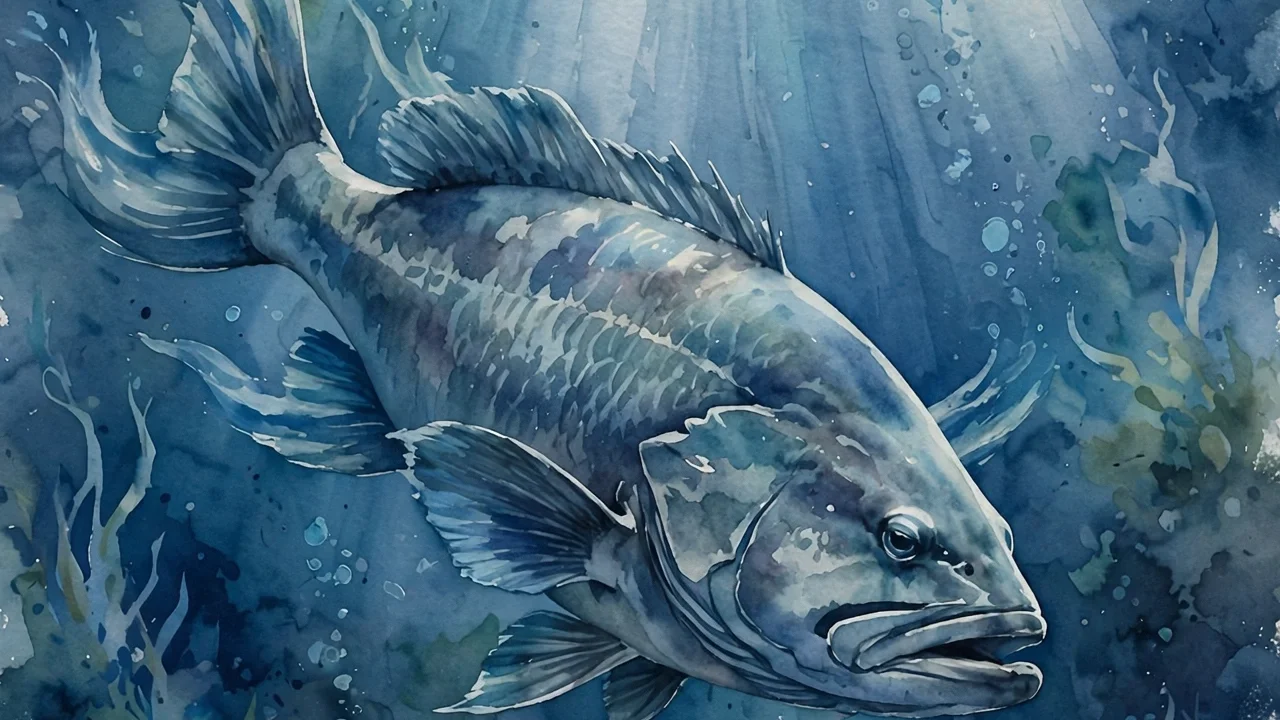
Note: the Hebrew says “a great fish” — tradition calls it a whale, and Jesus Himself referred to the event as real history (Matthew 12:40).
Key Bible Verses From the Book of Jonah
Jonah 1:3
“But Jonah rose up to flee unto Tarshish from the presence of the LORD, and went down to Joppa; and he found a ship going to Tarshish: so he paid the fare thereof, and went down into it, to go with them unto Tarshish from the presence of the LORD.”
Jonah’s flight was deliberate, planned, and paid for. Running from God always costs you — Jonah literally bought his ticket away from obedience.
Jonah 1:17
“Now the LORD had prepared a great fish to swallow up Jonah. And Jonah was in the belly of the fish three days and three nights.”
God “prepared” the fish — the storm, the sailors, and the sea creature were all part of His rescue plan. What looked like judgment was actually mercy in disguise.
Jonah 2:2
“And said, I cried by reason of mine affliction unto the LORD, and he heard me; out of the belly of hell cried I, and thou heardest my voice.”
Jonah prayed from the most hopeless place imaginable — and God heard. There is no pit so deep that prayer cannot reach heaven from it.
Jonah 2:9
“But I will sacrifice unto thee with the voice of thanksgiving; I will pay that that I have vowed. Salvation is of the LORD.”
In the dark, Jonah relearned the gospel: “Salvation is of the LORD.” Deliverance is God’s work, not ours — a truth that steadied him for the mission ahead.
Jonah 3:1-2
“And the word of the LORD came unto Jonah the second time, saying, Arise, go unto Nineveh, that great city, and preach unto it the preaching that I bid thee.”
The most hopeful words in the book: “the second time.” God gives second chances. Jonah’s failure didn’t disqualify him — it prepared him.
Jonah 3:10
“And God saw their works, that they turned from their evil way; and God repented of the evil, that he had said that he would do unto them; and he did it not.”
An entire wicked city repented — from the king to the cattle — and God relented. No one is too far gone for mercy when repentance is real.
Jonah 4:2
“…for I knew that thou art a gracious God, and merciful, slow to anger, and of great kindness, and repentest thee of the evil.”
Jonah’s shocking confession: he fled because he knew God would forgive Nineveh — and he didn’t want them forgiven. God’s mercy was the problem, not the solution, in Jonah’s eyes.
Jonah 4:11
“And should not I spare Nineveh, that great city, wherein are more than sixscore thousand persons that cannot discern between their right hand and their left hand; and also much cattle?”
God’s closing question hangs unanswered — aimed at Jonah, and at us. If God cares about 120,000 lost people (and their cattle!), shouldn’t we?
The Story, Chapter by Chapter
| Chapter | What Happened | The Heart Issue |
|---|---|---|
| Jonah 1 — Running | God calls Jonah to Nineveh; Jonah flees toward Tarshish; God sends a storm; sailors throw Jonah overboard | Disobedience and prejudice |
| Jonah 2 — Praying | A great fish swallows Jonah; in the deep, he prays and recommits; the fish vomits him onto dry land | Desperation and surrender |
| Jonah 3 — Preaching | Jonah preaches in Nineveh; the whole city repents; God spares them | Second chances and mercy |
| Jonah 4 — Pouting | Jonah is furious at God’s mercy; God teaches him with a plant, a worm, and a question | Bitterness and small compassion |
6 Lessons From Jonah and the Whale
1. You can’t run from God
Jonah went down to Joppa, down into the ship, down into the sea, and down into the fish — running from God is always a descent. But “whither shall I flee from thy presence?” (Psalm 139:7). God will chase you with storms of mercy until you turn.
2. Rock bottom is a good place to pray
Jonah never prayed on the ship — but in the fish’s belly, he finally cried out. Don’t wait for the deep to start praying. And if you’re already there, pray now: He hears from the belly of hell itself.
3. God specializes in second chances
“The word of the LORD came unto Jonah the second time.” Your failure is not final while God is still speaking. Disobedience disqualified Jonah from nothing — grace reinstated everything.
4. No one is beyond God’s mercy
Nineveh was infamous for cruelty — yet one sermon brought the whole city to its knees, and God spared them. The people you’ve written off may be one encounter away from repentance.
5. Check your heart for Jonah’s anger
Jonah obeyed and still missed God’s heart — furious that his enemies received mercy. Obedience without compassion is just compliance. Ask God to give you His heart for lost people, even difficult ones.
6. God’s compassion is bigger than your comfort
Jonah loved a plant that shaded him for a day but resented mercy for 120,000 people. We do the same when we value our comfort over others’ salvation. God’s question still stands: “should not I spare…?”
Frequently Asked Questions
Was Jonah really swallowed by a whale?
The Bible says “a great fish” (Jonah 1:17), and Jesus treated the event as historical fact, comparing Jonah’s three days to His own death and resurrection (Matthew 12:40). Whether fish or whale, God prepared it — and nothing is impossible for Him.
Why did Jonah run from God?
Jonah 4:2 reveals his motive: he knew God was merciful and feared Nineveh would repent and be spared. His prejudice against Israel’s brutal enemy outweighed his obedience to God.
How long was Jonah in the fish?
Three days and three nights (Jonah 1:17) — the same period Jesus referenced as a sign of His own burial and resurrection (Matthew 12:40).
Did Nineveh really repent?
Yes — from the king down to the common people, they fasted, wore sackcloth, and turned from evil, and God relented from judgment (Jonah 3:5-10). It remains one of history’s greatest revivals.
Why does the book end with a question?
God’s final question — “should not I spare Nineveh?” — is left unanswered so that every reader must answer it. Will you share God’s compassion for the lost, or Jonah’s resentment?
See Also
Conclusion
Jonah and the whale is really the story of a God who won’t let go — of a runaway prophet, of a wicked city, or of you. He sends storms to turn us, fish to humble us, second chances to restore us, and questions to enlarge our hearts.
So if you’re running, stop. If you’re in the deep, pray. If you’ve failed, hear His word the second time. And if you’re angry at His mercy toward others, let Him teach you compassion. The God of Jonah is still chasing, still forgiving, and still asking: shouldn’t I spare them? May our answer be yes — and may our lives say it too.