



The Joy of Fasting How to Fast Forward your Breakthrough
Fasting sounds like misery — skipping meals, fighting hunger, white-knuckling through the day. But the Bible presents something surprising: the joy of fasting. Done God’s way, fasting isn’t punishment; it’s a fast track to intimacy with Him. Here’s how to fast forward your breakthrough — practically, biblically, and joyfully.
Whether you’re facing a stubborn stronghold, seeking direction, or just hungry for more of God, fasting is His appointed accelerator. Below: what fasting is, what the Bible says, three types of fasts, seven steps to begin, and practical tips for your first fast.
What Is Fasting?
What is fasting? Fasting is voluntarily giving up food (or something else you depend on) for a set time to seek God more earnestly. It is not a hunger strike or a diet — it is a spiritual discipline that quiets the body so the spirit can hear. Jesus assumed His followers would fast: He said “when ye fast,” not “if ye fast” (Matthew 6:16). Learn more about Christian fasting or read Isaiah 58 in full.
Here’s the key insight: fasting doesn’t twist God’s arm — it tunes your heart. Hunger reminds you, meal after meal, that you need God more than food. Every growl becomes a prayer prompt. That is why fasting accelerates breakthrough: it keeps you before God, desperate and dependent, until He moves.
What the Bible Says About Fasting
Fast in secret, not for show (Matthew 6:16-18)
“Moreover when ye fast, be not, as the hypocrites, of a sad countenance: for they disfigure their faces, that they may appear unto men to fast… But thou, when thou fastest, anoint thine head, and wash thy face; that thou appear not unto men to fast, but unto thy Father which is in secret: and thy Father, which seeth in secret, shall reward thee openly.” — Matthew 6:16-18
Jesus’ main warning about fasting is about motive. Fast for God’s eyes, not people’s applause. The Father who sees in secret rewards openly.
God chooses the fast that looses chains (Isaiah 58:6)
“Is not this the fast that I have chosen? to loose the bands of wickedness, to undo the heavy burdens, and to let the oppressed go free, and that ye break every yoke?” — Isaiah 58:6
God rejects fasting paired with injustice and selfishness. The fast He honors is joined to mercy: freeing the oppressed, feeding the hungry, breaking yokes. Fasting and compassion belong together.
Some breakthroughs only come this way (Mark 9:29)
“And he said unto them, This kind can come forth by nothing, but by prayer and fasting.” — Mark 9:29
When the disciples couldn’t cast out a demon, Jesus revealed a sobering truth: some battles require the double weapon of prayer and fasting. If you’re facing a stubborn stronghold — an addiction, a prodigal, a impossible situation — this verse is your invitation.

Thy Father, which seeth in secret, shall reward thee openly.
3 Biblical Types of Fasts
| Type | What It Involves | Biblical Example | Best For |
|---|---|---|---|
| Normal fast | No food, water only | Jesus, 40 days (Matthew 4:2) | Extended seeking; build up gradually |
| Partial fast (Daniel fast) | Restricted diet — no rich foods, meat, or wine | Daniel, 21 days (Daniel 10:3) | Beginners; longer consecration |
| Absolute fast | No food or water | Esther, 3 days (Esther 4:16) | Urgent crises; short duration only |
Start where you are. A one-meal fast done in faith pleases God more than a forty-day fast done in pride. You can also fast from media, social platforms, or entertainment — anything that consumes the attention God deserves.
7 Steps to Fast Forward Your Breakthrough
1. Set a clear purpose
Don’t fast vaguely. Write down your “why”: direction for a decision, breakthrough for a loved one, freedom from a habit, deeper intimacy. “Turn ye even to me with all your heart, and with fasting” (Joel 2:12). A clear purpose sustains you when hunger hits.
2. Choose your fast
Pick the type and length: one meal, one day, three days, Daniel’s 21 days. If you take medication or have health concerns, consult your doctor first — and consider a partial or non-food fast. Wisdom is part of worship.
3. Prepare your body
Ease in: cut back on caffeine, sugar, and heavy meals a day or two before. Drink plenty of water. Starting a fast with preparation prevents most of the headaches and misery beginners blame on the fast itself.
4. Replace meals with prayer
This is the step most people miss. When mealtime comes, don’t just endure hunger — pray. Read Scripture. Worship. Journal. Fasting without prayer is just skipping lunch; fasting with prayer is spiritual warfare.
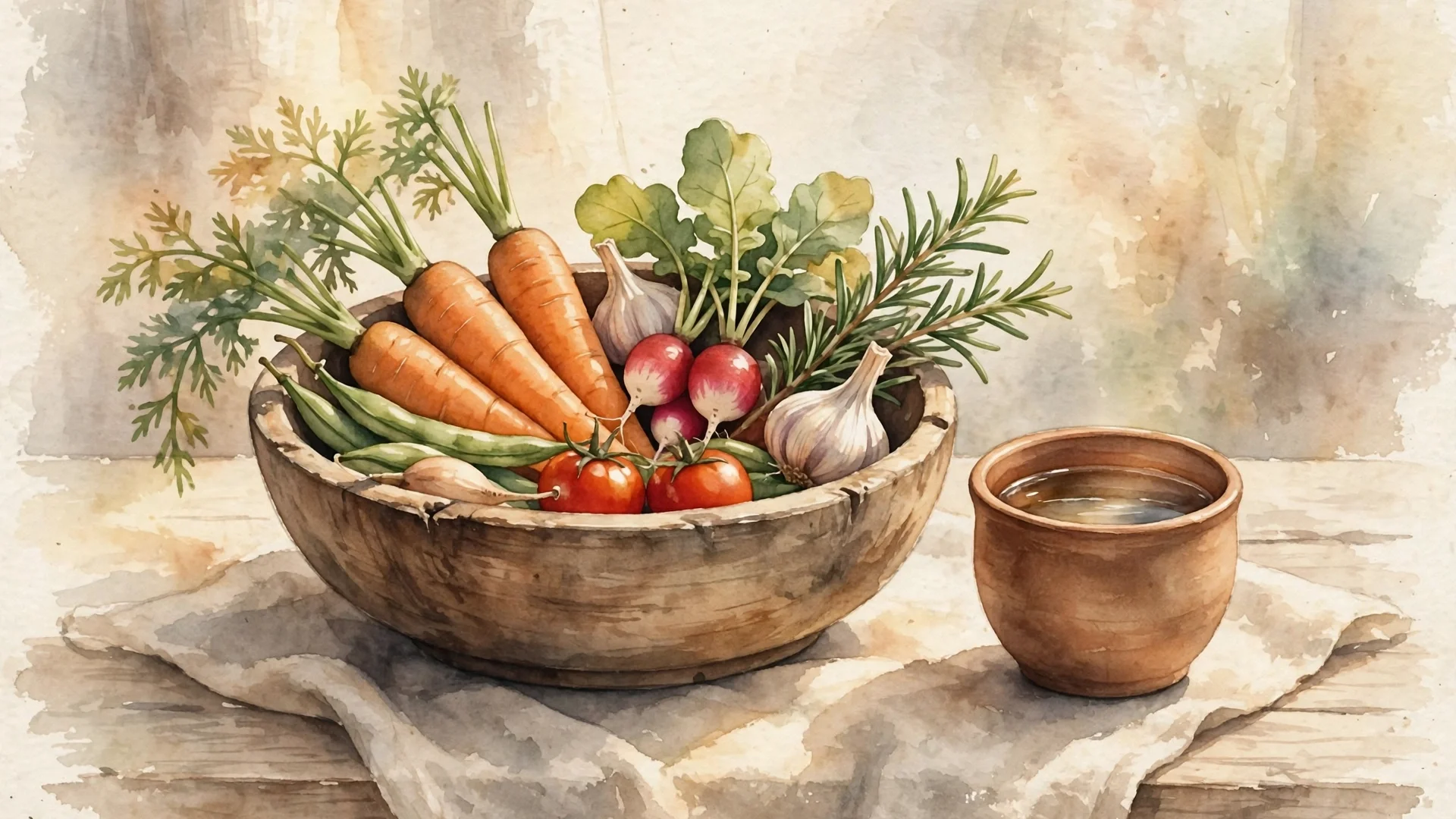
The Daniel fast: simple food, serious seeking.
5. Pair fasting with repentance
Joel links fasting with “weeping, and with mourning” (Joel 2:12). Use the hunger to search your heart. Confess sin quickly. Fasting softens hearts — let God show you what needs to change, and agree with Him.
6. Add generosity
Remember Isaiah 58: the fast God chooses “lets the oppressed go free.” Give away the money you saved on food. Serve someone. Forgive a debt. Fasting that ends in generosity carries heaven’s favor.
7. Break the fast wisely and watch expectantly
End gradually — small, light meals first. Then watch: breakthroughs often come during or shortly after a fast. Ezra testified, “So we fasted and besought our God for this: and he was intreated of us” (Ezra 8:23). Expect God to move — He loves to answer fasting prayer.
Practical Tips for Your First Fast
- Start small. Skip one meal or fast until 3 p.m. Success builds faith for longer fasts later.
- Stay hydrated. Drink water throughout — most fasting headaches are dehydration, not holiness.
- Keep it secret. Don’t announce it (Matthew 6:16-18). If someone offers food, a simple “no thanks” suffices.
- Rest when you can. Your energy will dip; plan lighter days if possible.
- Fight the 2 p.m. slump. The hardest hours are usually mid-afternoon on day one — push through with prayer and it eases.
- Don’t quit over a slip. If you eat early, don’t abandon the fast — confess, regroup, and continue. God honors the heart, not the streak.

This kind can come forth by nothing, but by prayer and fasting.
Frequently Asked Questions
How long should I fast?
Start with one meal or one day. Biblical fasts ranged from one day to forty; let your purpose, experience, and health guide the length. Longer isn’t holier — obedience is.
Can I drink water while fasting?
Yes — a normal fast includes water. Only the rare “absolute fast” (Esther 4:16) excluded water, and those were short and urgent. Stay hydrated.
What is the Daniel fast?
Based on Daniel 10:3, it’s a 21-day partial fast avoiding rich foods, meat, and wine — eating simple plant-based foods. It’s ideal for beginners or extended consecration.
Does fasting guarantee God will answer my prayer?
Fasting doesn’t manipulate God, but it positions you to hear Him and often precedes breakthrough (Mark 9:29; Ezra 8:23). God always answers — sometimes with “yes,” sometimes “wait,” sometimes something better.
Is fasting required for Christians?
It’s not commanded as a law, but Jesus clearly expected it (“when ye fast,” Matthew 6:16) and modeled it. It’s a gift and a weapon — wise believers use both.
See Also
- God Makes Special Promises to Those Who Fast Why I Love Fasting
- How to Create a Fast Growing Organization
- How Fasting Affects your Physical Body the Pros and the Cons
Conclusion
The joy of fasting isn’t found in empty stomachs — it’s found in full hearts. When you fast, you discover what Israel learned in the wilderness: “man doth not live by bread only, but by every word that proceedeth out of the mouth of the LORD” (Deuteronomy 8:3). Hunger becomes worship. Weakness becomes strength. And breakthrough — real, lasting, God-sized breakthrough — follows.
So pick a day. Set your purpose. Skip the meal, keep the appointment with God — and fast forward into the breakthrough He has been waiting to give you.
