


Research Finds Reading Bible to Kids Can Increase Their Intelligence Social Skills More Heres Why How
You may have seen the headline: research finds reading Bible to kids can increase their intelligence, social skills, and more. Here is why, and how. While headline claims vary, two things are certain: the Bible itself commands parents to teach God’s Word to their children, and reading aloud to children is widely recognized for building language, listening, and learning skills. Put the two together, and you have one of the most powerful habits a family can build.
Reading the Bible to kids is not just a sweet bedtime ritual. It shapes how children think, how they treat others, and how they understand God. It builds faith, character, vocabulary, and family bonds at the same time.
Below we will explore what the Bible says about teaching children, seven benefits of reading the Bible to kids, and five simple ways to start.
What Does the Bible Say About Teaching Children?
What does the Bible say about teaching children? The Bible commands parents to teach God’s Word to their children diligently and continually: “And thou shalt teach them diligently unto thy children, and shalt talk of them when thou sittest in thine house, and when thou walkest by the way, and when thou liest down, and when thou risest up” (Deuteronomy 6:7). It promises that training a child in the right way has lifelong effects: “Train up a child in the way he should go: and when he is old, he will not depart from it” (Proverbs 22:6).
Teaching children was never meant to be outsourced. God’s design is that faith is caught at home: in the house, on the walk, at bedtime, in the morning. Reading the Bible to kids is one of the simplest ways to obey this command. You can read Proverbs 22:6 in the King James Version. For a fuller topical index, browse a topical index of Bible verses about children.
7 Benefits of Reading the Bible to Kids
1. It Builds a Spiritual Foundation
Children who hear God’s Word grow up knowing who God is: His love, His power, His faithfulness. “We will not hide them from their children, shewing to the generation to come the praises of the LORD, and his strength, and his wonderful works that he hath done” (Psalm 78:4). Every story you read lays another stone in the foundation of their faith.
2. It Shapes Character and Moral Compass
Bible stories are moral formation in narrative form. Children learn honesty from Joseph, courage from David, kindness from the Good Samaritan, and forgiveness from Jesus. “Train up a child in the way he should go” (Proverbs 22:6) works because stories shape the conscience long before lectures do.
3. It Strengthens Family Bonds
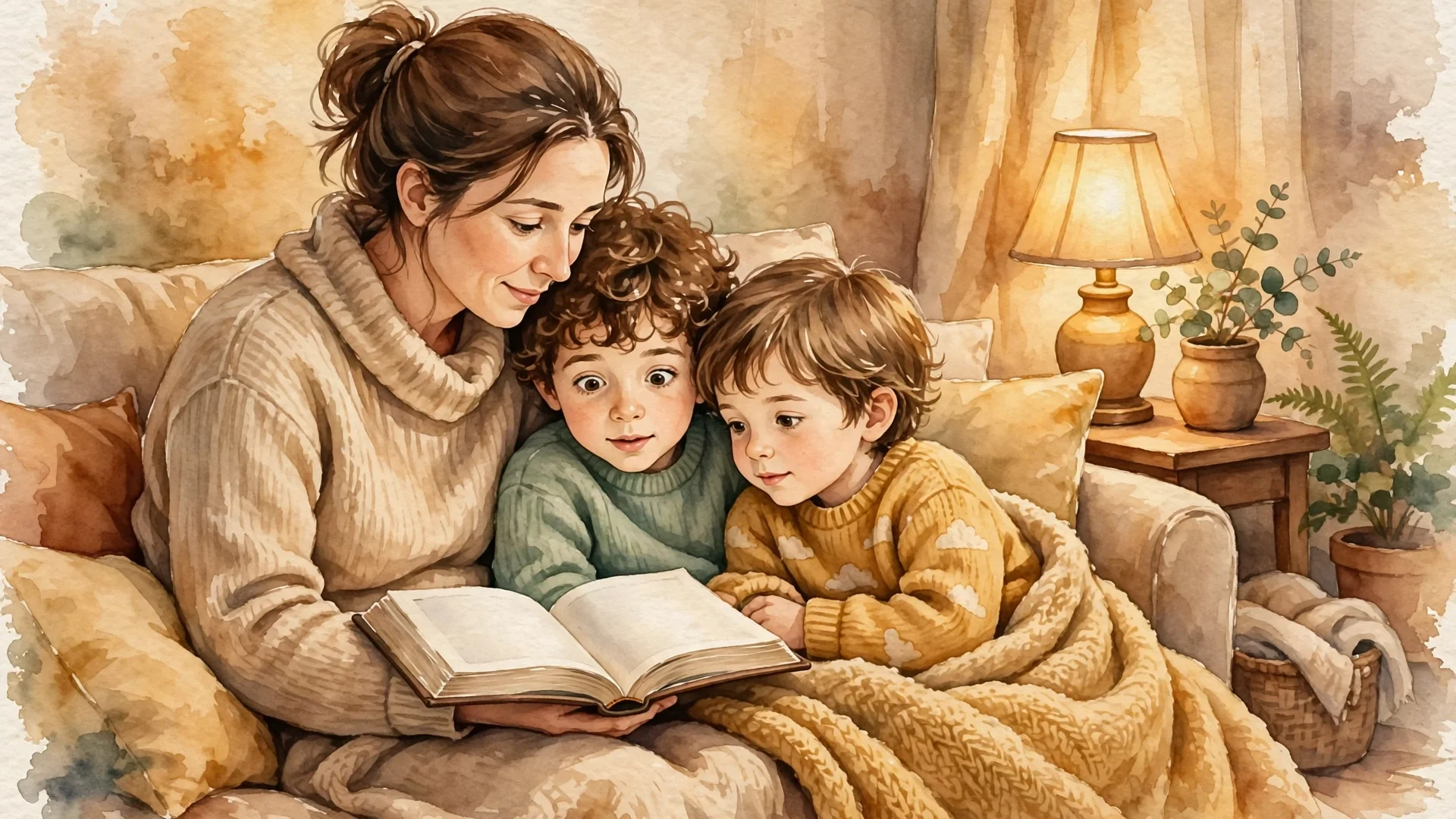
Reading together creates shared language, shared memories, and shared values. The daily rhythm of opening the Bible as a family builds closeness that screens cannot manufacture. These are the moments children remember decades later: a parent’s voice, a familiar story, a home centered on God.
4. It Grows Language and Listening Skills
Here is where the headlines have a point. Literacy experts widely agree that reading aloud to children builds vocabulary, listening comprehension, and a love of reading. The Bible, with its rich language, poetry, and narrative, gives young minds a feast of words. A child who hears Scripture read aloud is hearing complex sentences, new vocabulary, and beautiful imagery, all of which support learning.
5. It Teaches Wisdom for Life
“And that from a child thou hast known the holy scriptures, which are able to make thee wise unto salvation through faith which is in Christ Jesus.” (2 Timothy 3:15)
Paul reminded Timothy that knowing Scripture from childhood made him “wise unto salvation.” The Bible does not just inform children; it makes them wise: wise about God, wise about choices, wise about eternity. “Wherewithal shall a young man cleanse his way? by taking heed thereto according to thy word” (Psalm 119:9).

6. It Gives Children Identity and Hope
Children who hear that they are “fearfully and wonderfully made” (Psalm 139:14) and that Jesus said, “Suffer little children… to come unto me: for of such is the kingdom of heaven” (Matthew 19:14) grow up knowing they matter to God. Bible reading anchors a child’s identity in God’s love, not in performance, popularity, or appearance. That security shapes how they relate to others: the root of healthy social and emotional growth.
7. It Plants Seeds That Last a Lifetime
“So shall my word be that goeth forth out of my mouth: it shall not return unto me void, but it shall accomplish that which I please, and it shall prosper in the thing whereto I sent it.” (Isaiah 55:11)
God’s Word never returns empty. The verses you read to a squirming toddler may seem to bounce off, but seeds are being planted. Years later, in a crisis or a quiet moment, those buried words sprout. Many adults trace their faith to a parent or grandparent who simply read the Bible aloud. You are investing in an eternal harvest.
5 Simple Ways to Start Reading the Bible to Your Kids
- Start small and stay consistent. Five to ten minutes a day beats an hour once a month. Pick a regular time, bedtime, breakfast, or after dinner, and make it a non-negotiable rhythm.
- Use an age-appropriate Bible. For young children, a well-illustrated storybook Bible works best. As they grow, move to a full children’s Bible, then to a regular translation you read together.
- Read with expression and invite questions. Do the voices. Pause for the dramatic moments. Let children ask “why?” and wonder aloud. Curiosity is the doorway to understanding.
- Connect the story to their lives. After reading, ask one simple question: “What does this show us about God?” or “How can we live this out today?” Keep it conversational, not preachy.
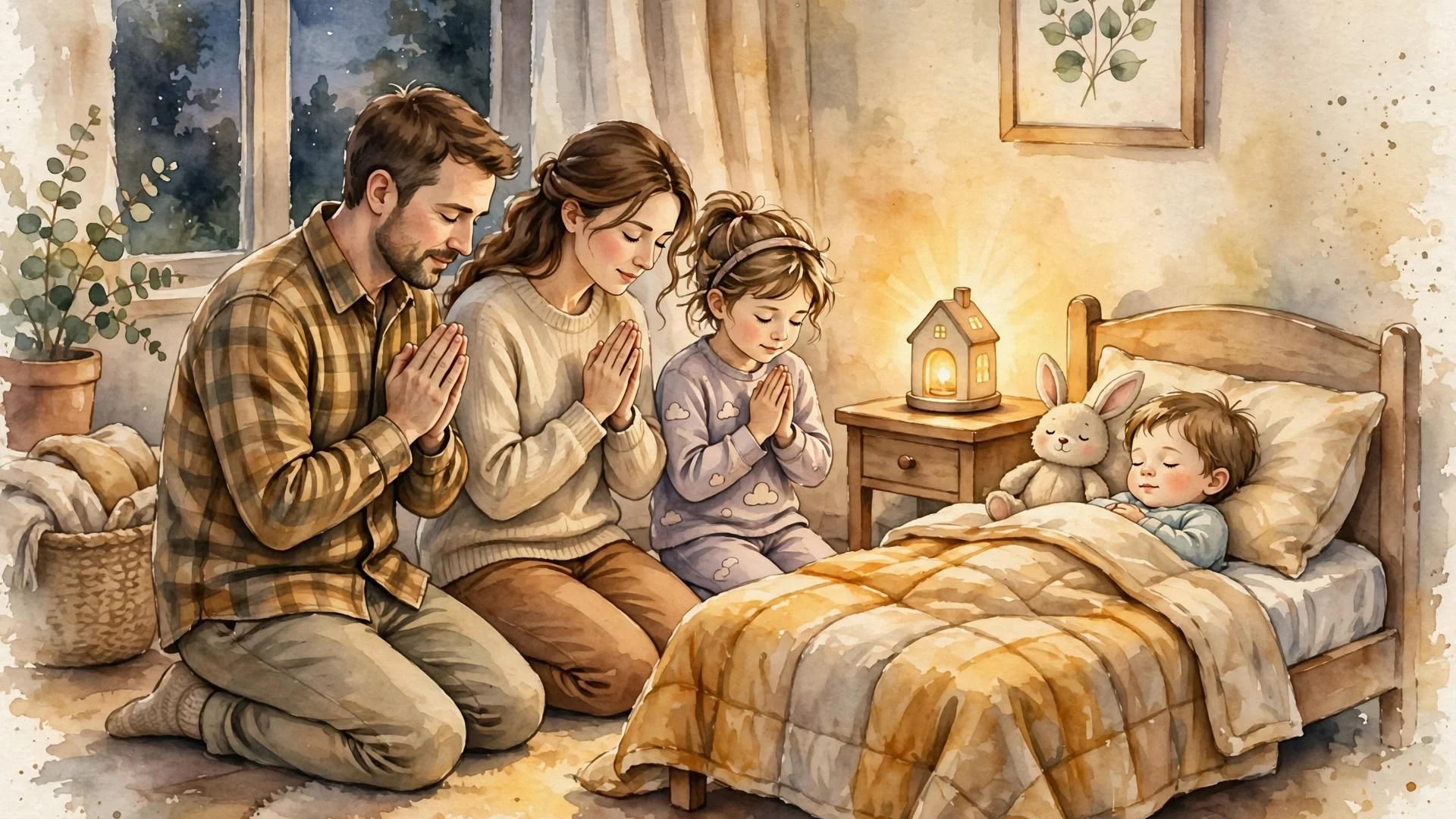
- End with prayer. A short prayer after reading seals the moment. Let children pray too, even simple sentence prayers. You are teaching them not just to hear God’s Word but to talk back to Him.
Frequently Asked Questions
Does reading the Bible to kids really make them smarter?
Headlines make big claims, so read them carefully. What is well established is that reading aloud to children in general builds vocabulary, listening skills, and reading readiness. The Bible adds rich language and deep ideas to that practice. The clearest promise of Scripture is spiritual: God’s Word makes children “wise unto salvation” (2 Timothy 3:15).
At what age should I start reading the Bible to my child?
Start as early as you like, even in infancy. Babies absorb the rhythm of your voice and the habit of the practice; toddlers grasp simple stories; older children can discuss meaning. Deuteronomy 6:7 pictures teaching “when thou liest down, and when thou risest up”: faith woven into everyday life from the start.
What is the best Bible for young children?
For ages 2-6, an illustrated storybook Bible with short, faithful retellings is ideal. For early readers, a children’s Bible with the full text in simple language works well. For older kids, read a standard translation together and discuss it. The best Bible is the one you will actually open daily.
How long should family Bible reading take?
Keep it short and consistent: 5-15 minutes is plenty for most families. Young children do best with brief, engaging sessions. Consistency matters far more than length; a short daily habit shapes hearts more than occasional marathons.
What if my kids seem bored or distracted?
That is normal, especially with young children. Keep sessions short, read with expression, let them look at pictures, act out stories, or draw what they heard. Do not force attention; make it inviting. The seed-planting promise of Isaiah 55:11 holds even on the squirmy days.
See Also
- Short Bible Verses to Memorize
- How Parents Can Pray for Their College Aged Kids
- Teach Us to Number Our Days: Gaining the Hearts of Our Children (Psalm 90:12)
Conclusion
Research finds reading Bible to kids can increase their intelligence, social skills, and more: here is why, and how. The “why” is that God’s Word is living and powerful, shaping minds, hearts, and character. The “how” is beautifully simple: open the Bible, read it aloud, talk about it, and pray.
You do not need a theology degree or a perfect quiet time. You need a Bible, a child, and a few minutes a day. Teach them diligently, as Deuteronomy commands. Train them up, as Proverbs promises.
The stories you read tonight may be the faith they stand on for a lifetime. Start today.
