



Fast
What does it mean to fast — and why did Jesus expect His followers to do it? In a world obsessed with consuming more, fasting is the radical spiritual discipline of consuming less: voluntarily setting aside food for a season to seek God with unusual focus and hunger.
Jesus didn’t say if you fast. He said when you fast (Matthew 6:16) — assuming it would be part of His followers’ lives. Moses fasted, David fasted, Esther fasted, Daniel fasted, Paul fasted, and Jesus Himself fasted forty days. This is not an Old Testament relic; it’s a New Testament expectation. Here’s everything the Bible teaches about this powerful discipline.
What Does the Bible Say About Fasting?
What does the Bible say about fasting? Fasting is the voluntary abstaining from food (and sometimes drink) for a spiritual purpose — to humble the soul before God (Psalm 35:13), seek His guidance (Judges 20:26-28), strengthen prayer (Nehemiah 1:4), repent of sin (Joel 2:12), and express desperate dependence on Him (Esther 4:16). Jesus taught His disciples how to fast — privately, without show, for the Father who sees in secret (Matthew 6:16-18) — and God promises to honor the fast done with a sincere heart (Isaiah 58:6-9). Fasting doesn’t manipulate God; it positions us to hear Him. For a thorough overview, see this guide to biblical fasting.
Why Did Bible Characters Fast? 7 Biblical Purposes
1. To Seek God’s Guidance
When Israel faced a critical battle decision, they “fasted that day until even” and asked God whether to go to war (Judges 20:26-28). Before sending out the first missionaries, the church at Antioch fasted — and the Holy Spirit spoke (Acts 13:2-3). Fasting quiets the noise so you can hear the whisper. Facing a big decision? Fast first.
2. To Strengthen Prayer
When Nehemiah heard Jerusalem’s walls were broken, he “sat down and wept, and mourned certain days, and fasted, and prayed before the God of heaven” (Nehemiah 1:4). Fasting doesn’t twist God’s arm — it intensifies your prayer. It says: this matters so much I’m laying down my appetite for it. Some breakthroughs only come through prayer sharpened by fasting.
3. To Repent and Return
“Therefore also now, saith the LORD, turn ye even to me with all your heart, and with fasting, and with weeping, and with mourning.” — Joel 2:12 (KJV)
When Nineveh repented, the king proclaimed a fast from the throne to the cattle (Jonah 3:7-8) — and God relented. Daniel confessed his people’s sins “with fasting, and sackcloth, and ashes” (Daniel 9:3). Fasting gives physical weight to spiritual sorrow. It’s the body joining the soul in saying: God, I’m serious about turning back to You.
4. To Humble the Soul
“I humbled my soul with fasting.” — Psalm 35:13 (KJV)
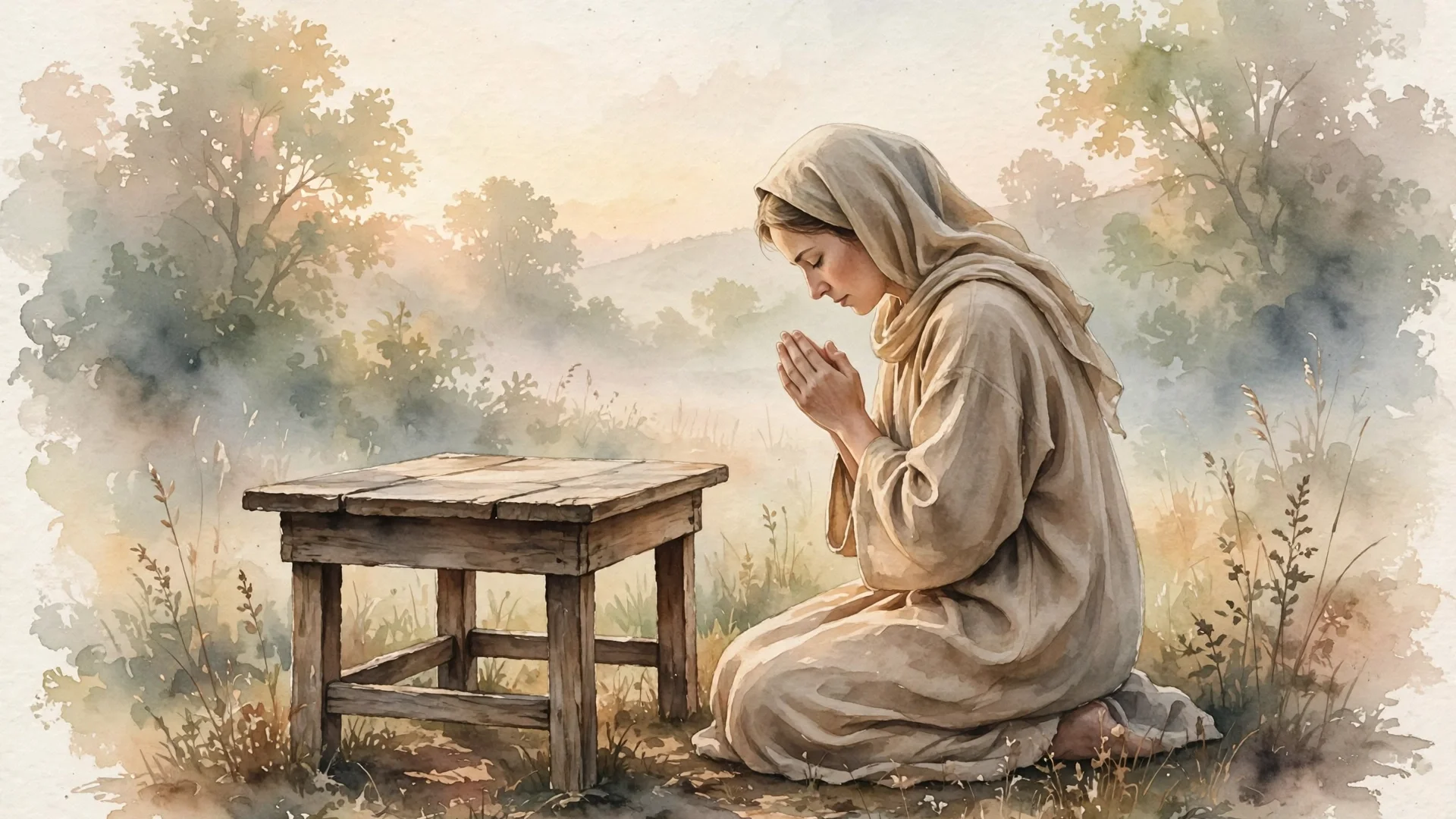
David names fasting’s core work: humbling the soul. Every hunger pang is a reminder — I am not self-sufficient; I need God. Pride starves in a fast. The discipline strips away our illusion of independence and places us, empty-handed, before the God who fills. For more on fasting’s elements of humility and prayer, see what constitutes a biblical fast.
5. To Intercede Desperately
Esther faced genocide for her people. Her response: “fast ye for me, and neither eat nor drink three days, night or day… and if I perish, I perish” (Esther 4:16). When the need is desperate, fasting is the church’s ancient response. Jehoshaphat proclaimed a fast when invasion loomed — and God fought the battle for them (2 Chronicles 20:3, 15). Some burdens are too heavy for prayer alone; they call for prayer and fasting.
6. To Prepare for Spiritual Battle
“And when he had fasted forty days and forty nights, he was afterward an hungred.” — Matthew 4:2 (KJV)
Before facing Satan’s temptations, Jesus fasted forty days. Before Moses received the Law, he fasted forty days (Exodus 34:28). Elijah’s forty-day fast preceded his encounter at Horeb (1 Kings 19:8). Great spiritual assignments are often preceded by great spiritual preparation. Fasting before a battle is like sharpening the sword before the fight.
7. To Worship with Undivided Attention
Anna the prophetess “departed not from the temple, but served God with fastings and prayers night and day” (Luke 2:37). For her, fasting was worship — a way of saying You are more satisfying than food. Every fast declares what the heart believes: God Himself is the true bread, the real feast.
Types of Fasts in the Bible
| Type | What It Involves | Biblical Example |
|---|---|---|
| Normal fast | No food; water only | Jesus, 40 days (Matthew 4:2) |
| Partial fast | Restricted diet (vegetables, water) | Daniel, 21 days (Daniel 10:2-3) |
| Absolute fast | No food or drink | Esther, 3 days (Esther 4:16) |
| Corporate fast | A group fasting together | Nineveh (Jonah 3:5-8) |
| Private fast | Between you and God alone | Jesus’ teaching (Matthew 6:16-18) |
How to Fast: Jesus’ Instructions
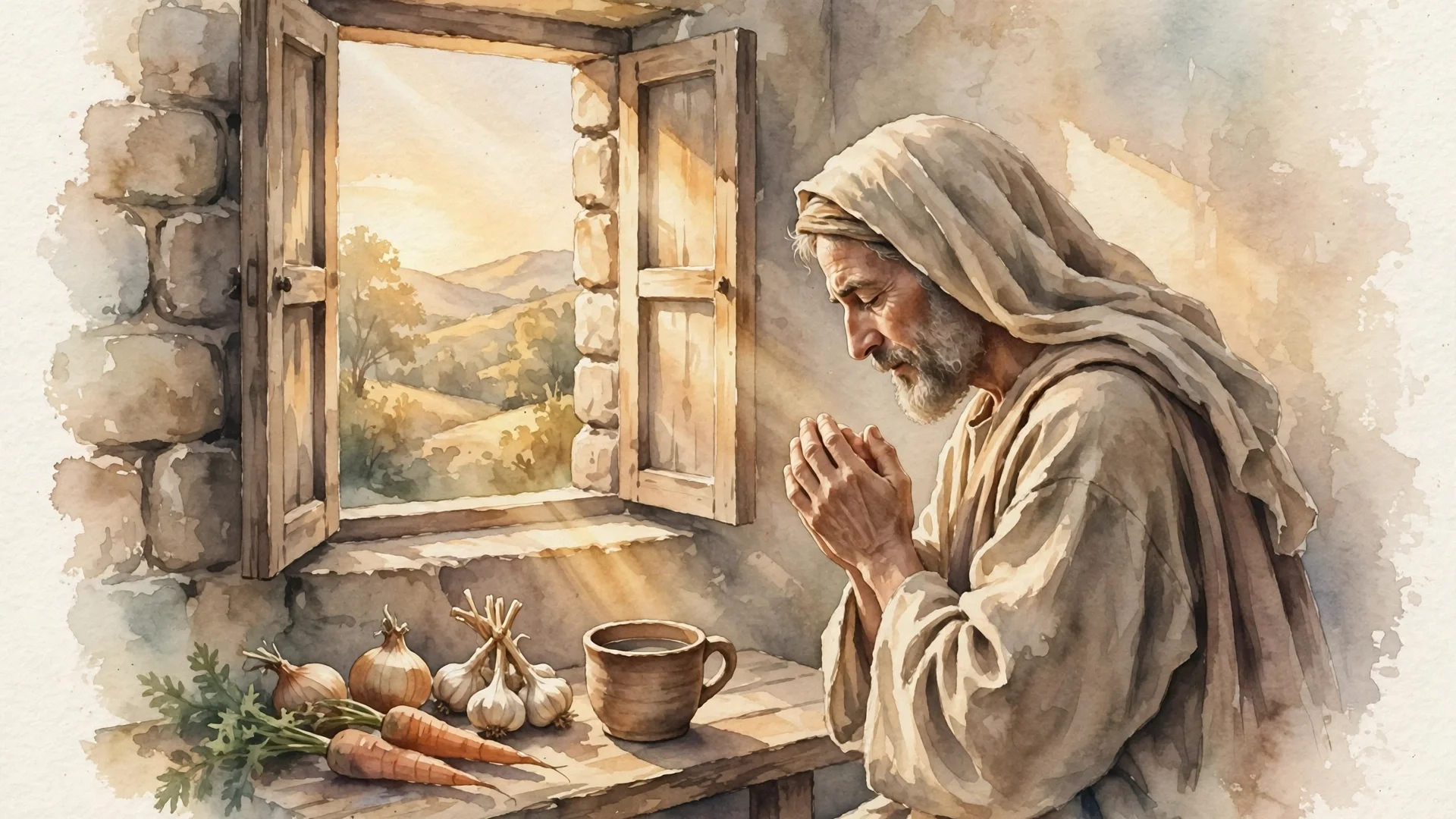
“Moreover when ye fast, be not, as the hypocrites, of a sad countenance: for they disfigure their faces, that they may appear unto men to fast. Verily I say unto you, They have their reward. But thou, when thou fastest, anoint thine head, and wash thy face; That thou appear not unto men to fast, but unto thy Father which is in secret: and thy Father, which seeth in secret, shall reward thee openly.” — Matthew 6:16-18 (KJV)
Jesus gives four practical principles:
- Expect it — “When ye fast,” not if. Fasting is normal Christian life.
- Keep it private — no sad faces, no announcements. Wash your face, look normal. This is between you and the Father.
- Pair it with prayer — fasting without prayer is just hunger. Use mealtimes for Scripture and intercession.
- Trust the reward — “thy Father, which seeth in secret, shall reward thee openly.” God notices what no one else sees.
A gentle caution: if you are pregnant, nursing, managing a medical condition, or have a history of eating disorders, consult your doctor before fasting from food. God honors partial fasts and other forms of consecrated abstinence too — the heart matters more than the method.
The Fast God Chooses (Isaiah 58)
“Is not this the fast that I have chosen? to loose the bands of wickedness, to undo the heavy burdens, and to let the oppressed go free, and that ye break every yoke?” — Isaiah 58:6 (KJV)
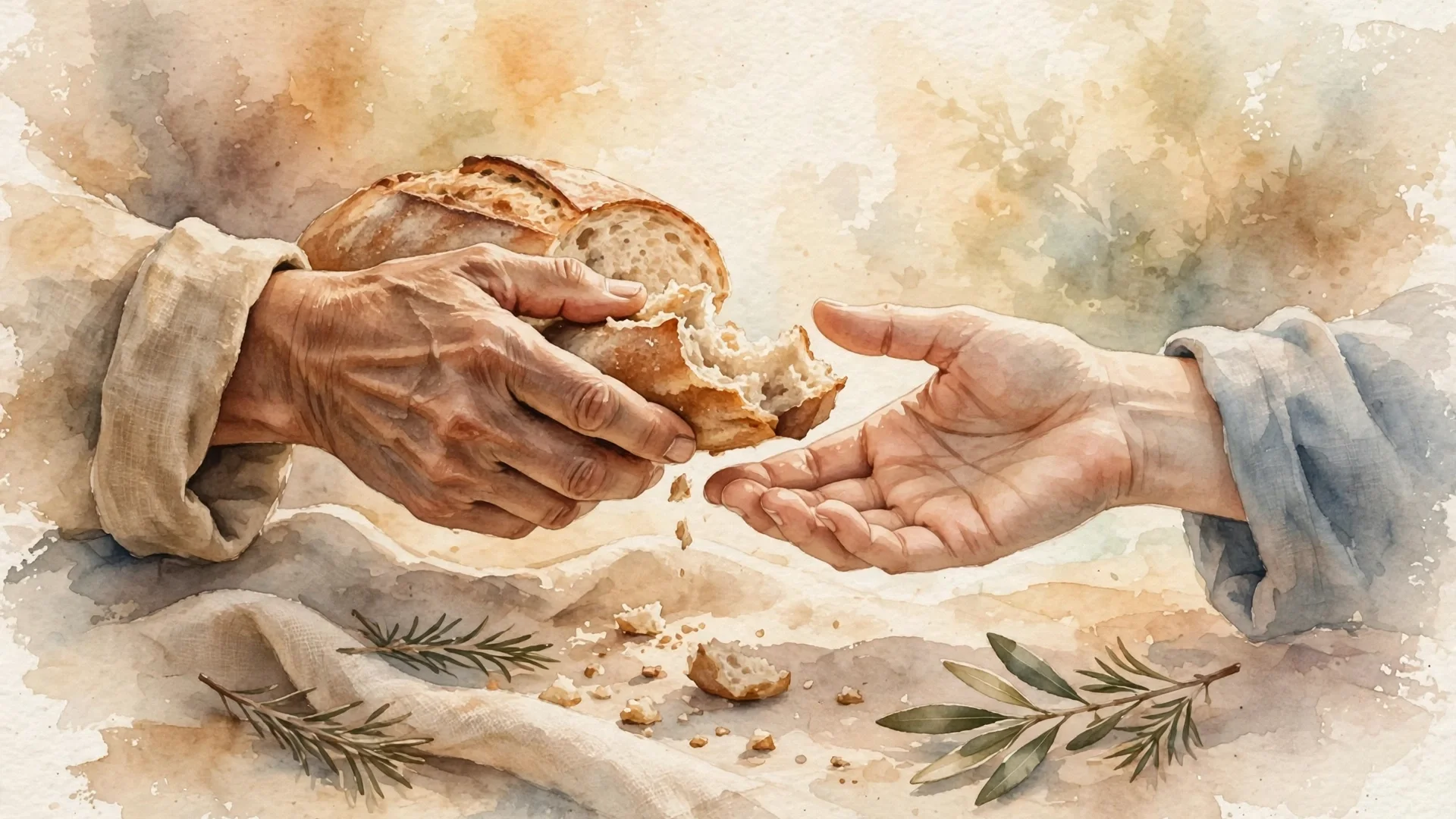
God rebuked Israel for fasting while oppressing workers and ignoring the poor. The fast He chooses pairs personal devotion with practical love: feed the hungry, shelter the homeless, free the oppressed (Isaiah 58:7). True fasting changes you — and then changes how you treat others. A fast that ends only with you is incomplete; the fast God chooses overflows into justice and mercy.
Frequently Asked Questions
What is biblical fasting?
Biblical fasting is voluntarily abstaining from food (sometimes drink) for a spiritual purpose — to humble yourself before God, seek His guidance, strengthen prayer, or repent (Matthew 6:16-18; Joel 2:12).
How long should I fast?
The Bible shows many lengths: part of a day, one day, three days (Esther), seven days, twenty-one days (Daniel), forty days (Jesus, Moses). Start small — even one meal — and let the Spirit lead. There’s no commanded length.
What should I do during a fast?
Pray, read Scripture, confess sin, worship, and listen. Replace mealtimes with God-time. Journal what He shows you. Fasting without prayer is just skipping meals.
Is fasting required for Christians?
It’s not commanded as law, but Jesus clearly expected it: “when ye fast” (Matthew 6:16). It’s a grace-given discipline for those who want deeper fellowship with God — an invitation, not a burden.
What is the Daniel fast?
Based on Daniel 10:2-3, it’s a partial fast of vegetables, fruits, and water — no rich foods or wine — for 21 days. It’s a biblical model for those who can’t do a full food fast but want to consecrate a season to God.
See Also
Conclusion
To fast is to declare with your body what your heart believes: God, You are more necessary than bread. It’s ancient, it’s biblical, and it’s expected — not as a ritual to impress others, but as a secret meeting with the Father who sees in secret and rewards openly.
Start where you are. Skip a meal and pray instead. Set aside a day for seeking. Join a corporate fast with your church. Whatever the form, come with a sincere heart, a humble spirit, and hands ready to serve — the fast God chooses.
The table will wait. The Father won’t. Come hungry — and leave full.
